Where to Buy Stock Bulk Bags in 2026?
Choosing where to buy Stock Bulk Bags in 2026 takes more than comparing prices. Buyers need to match bag dimensions, safe working load, fabric, and lifting loops to the material and handling equipment. A bag that looks suitable in a product photo may not fit a pallet, warehouse rack, or filling line. Small details matter.
Before ordering, confirm whether the bags are new or used, available from stock, and supplied with clear specifications. Ask for product documentation and samples when the application demands a closer inspection. Check lead times, minimum order quantities, printing options, and delivery costs. A low unit price can lose its appeal when the bags arrive late or do not suit the job.
“Buy to the specification, not just the photograph.” I can’t attribute this sentence to a named industry expert without a verifiable source. Supplying an expert’s name or source would let me include an accurate quotation rather than inventing one. This guide will help buyers compare manufacturers, distributors, and online suppliers with practical questions in hand. It will also flag a limitation: stock availability and pricing can change, so confirm both directly before placing an order. Real checks beat assumptions.
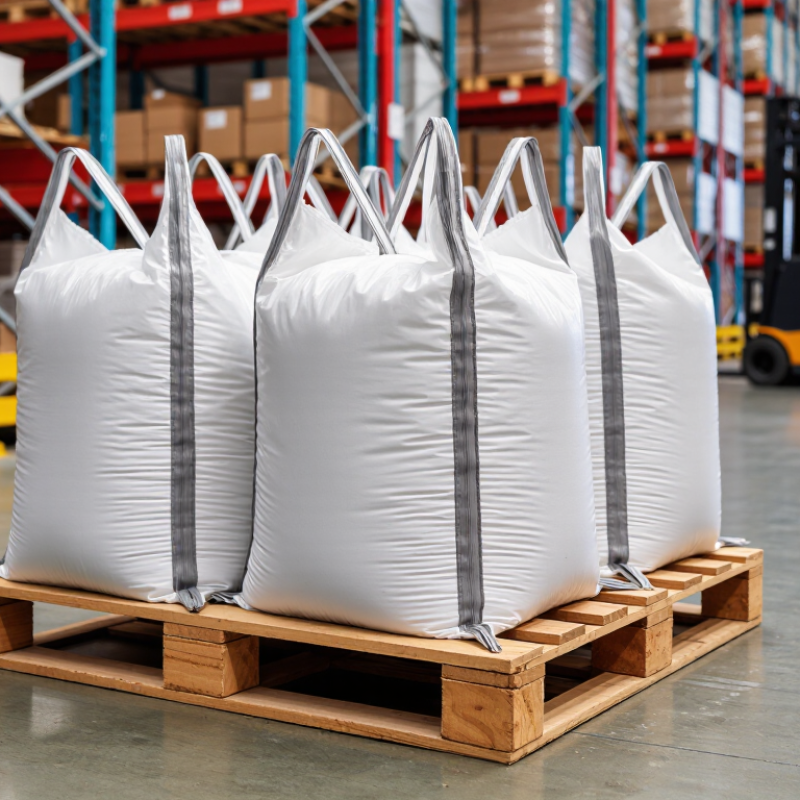
Types of Stock Bulk Bags Available in 2026
Stock bulk bags in 2026 come in several practical designs. The right type depends on how materials flow, stack, and face moisture or static risks. A useful starting point.
U-panel and circular bags suit many dry, free-flowing products. U-panel construction uses joined fabric panels; circular bags use a woven body that can reduce side seams. Baffle bags add internal corner panels, helping filled bags hold a squarer shape on pallets. For damp storage, coated fabric or a liner can help, though neither replaces checking the full bag specification. Ventilated bags allow airflow around produce and other goods that need it.
Static-control options include conductive Type C bags, which require grounding during filling and discharge, and Type D bags, designed to dissipate charge without grounding. Selection should follow a documented hazard assessment, not a quick visual guess. Food-contact applications may need suitable materials and traceable documentation. Grand View Research’s 2024 report estimates the global flexible intermediate bulk container market at USD 7.7 billion in 2023, with a projected 6.3% annual growth rate through 2030. That broad market figure does not prove every size or construction is stocked locally. Ask packaging suppliers about available dimensions, safe working load, test records, and lead times before ordering. A small detail can matter. A bag that fits the pallet but blocks forklift access is still the wrong choice.
Where to Buy Stock Bulk Bags in 2026? Types Available
Stock FIBCs are commonly offered in safe working load options spanning roughly 500–2,000 kg across bag designs. U-panel, circular, four-panel, and baffled bags describe construction; Type C and Type D describe static-control properties. Confirm the exact safe working load, safety factor, dimensions, and product suitability on the bag specification before purchase.
Where to Find Stock Bulk Bag Suppliers
Finding stock bulk bag suppliers in 2026 starts with matching bag specifications to the job. Check the required capacity, dimensions, fabric weight, lifting loops, and discharge style. A supplier should provide clear product data and explain which options are available from stock. Ask for recent photos or a sample when the bag’s construction matters. Details show.
Compare lead times, minimum order quantities, and delivery costs before choosing a supplier. A low unit price may not include freight or handling fees. Ask how bags are stored and protected from moisture, dust, and damage. For repeat orders, confirm that the same specifications can be supplied consistently.
A small trial order can help reveal problems before a larger purchase. It is not a perfect test, though; one shipment may not represent every batch. Keep written records of measurements, documents, and supplier responses. Those notes make comparisons more reliable and help clarify expectations if a delivery differs from the agreed specification.
How to Compare Retailers, Distributors, and Manufacturers
Retailers can be convenient when you need a modest quantity of stock bulk bags quickly. Their online listings often show dimensions, safe working load, fabric type, and available features. Check that these details match your filling and handling equipment. A low price means little if the bags arrive with the wrong discharge spout. Ask about current inventory, delivery dates, and return terms before ordering.
Distributors may offer more help comparing several bag configurations, especially when your requirements are not standard. Ask whether they can provide a specification sheet, a sample, and traceable quality records. Compare freight costs and minimum order quantities, too. These can change the real cost per bag. Still, a distributor may rely on another supplier for production details, so confirm who will answer technical questions.
Buying directly from a manufacturer can make sense for repeat orders or custom dimensions. You may get clearer production information, but large minimums and longer lead times are possible. Not always ideal. For a fair comparison, send each seller the same load, dimensions, liner, and delivery requirements. Then compare written quotes, not just headline prices. I would also test a sample with the actual product; a neat-looking bag is not proof of a good fit. One detail is easy to overlook: confirm how the bag will be lifted and stored before placing the order.
What to Check Before Choosing a Bulk Bag
Where to Buy Stock Bulk Bags in 2026?
For stock bulk bags in 2026, compare industrial packaging suppliers with local distributors. Ask what sizes and safe working loads are available now, not just listed online. A bag that looks suitable may have different lifting loops, fabric weight, or discharge options. Match these details to your product, filling equipment, and storage conditions. Check the bag’s stated rating and request product specifications before ordering.
Inspect construction details, including seam quality, loop attachment points, fabric coating, and any liner. Ask for documentation that identifies the bag’s intended use and performance limits. If the contents are sensitive to moisture or dust, confirm whether the design offers enough protection. A neat product page is not proof of suitability. Samples can help, though a small sample may not reveal how a full bag handles in your workflow.
Tips: Confirm dimensions, load rating, stock quantity, and delivery time in writing. Check a sample where possible. If anything is unclear, pause and ask; that extra step can prevent a costly mismatch.
How to Place and Verify a Stock Bag Order
Where to Buy Stock Bulk Bags in 2026?
How to Place and Verify a Stock Bag Order
Start with the load, not the advertised price. Write down the material, expected weight, and filling method before contacting a seller. Compare bag dimensions, safe working load, fabric type, lifting loops, and any liner or discharge requirements. Stock options vary, so confirm that the listed bag suits your actual use. Ask for a written quotation showing the exact specifications, quantity, unit price, delivery cost, and estimated dispatch date. A phone promise is easy to misremember.
Tips: Request a sample or clear photos of the seams, loops, and label. Check that the order confirmation repeats your specifications exactly. Small details matter.
Before paying, verify the seller’s business contact information and ask how damaged or incorrect deliveries are handled. Keep the quotation and confirmation together. When the bags arrive, compare labels and dimensions with the order, then inspect stitching and lifting loops before use. A tape measure and a few minutes can catch a mismatch early. It is easy to assume “standard size” means the same thing to every seller; it may not. If a specification is unclear, pause and ask for written clarification rather than guessing.
 920.831.2285