




China Best Molded Fiber Packaging Suppliers

Choosing among China’s best Molded Fiber Packaging suppliers takes more than comparing product photos or quoted prices. Buyers should examine material consistency, tooling capability, production controls, sample quality, and communication. A clean tray can look convincing online. The real test is whether it protects the product through handling and transport.

Ellen MacArthur, founder of the Ellen MacArthur Foundation, described the circular-economy goal this way: “A circular economy is based on three principles, driven by design: eliminate waste and pollution, circulate products and materials (at their highest value), and regenerate nature.” This perspective is relevant when assessing molded-pulp packaging, but it does not certify any supplier or product. Ask for supporting documentation, clarify which fibers and finishes are used, and check that performance claims match your application. Details matter.

This guide considers how suppliers compare across product development, customization, quality checks, and delivery planning. A fruit tray, protective electronics insert, and food container do not face identical demands. Request physical samples. Inspect edges, fit, and stacking behavior. Discuss tooling changes before approving production. No supplier is automatically the best for every buyer. Even careful evaluations can miss problems that appear only at scale, so confirm expectations in writing and review trial orders closely.

China Best Molded Fiber Packaging Suppliers

Overview of China's Molded Fiber Packaging Supplier Market

China’s molded fiber packaging supplier market is growing alongside demand for protective, paper-based formats in food service, electronics, and e-commerce. Grand View Research estimated the global molded pulp packaging market at about US$5.5 billion in 2023, with projected growth through 2030. This is a global estimate, not a China-only figure. Scope matters: reports may group molded pulp products differently, so headline numbers are not directly comparable.

Chinese suppliers vary in material recipes, tooling capacity, and production scale. Buyers should check whether a factory can hold tight dimensions across repeated runs, not just produce an attractive sample. Ask for compression, moisture, and drop-test records for the intended use. Details matter. A tray that fits a product on a dry test bench may deform in a humid warehouse. China Paper Association’s 2023 industry statistics put national paper and paperboard production at roughly 130 million tonnes, indicating a large fiber supply base, though this figure covers many paper grades and does not measure molded fiber availability. The data is useful, but imperfect. Supplier audits and pilot runs remain important, especially when recycled-fiber consistency or surface finish affects performance.

China Best Molded Fiber Packaging Suppliers — Overview of China's Molded Fiber Packaging Supplier Market

China’s total paper and paperboard production provides upstream context for its molded fiber packaging supply base. These figures cover the wider paper industry, not molded fiber packaging alone.

Source: China Paper Association, annual industry reports. Production is reported in million tonnes.

Materials and Manufacturing Processes Used by Suppliers

Molded fiber packaging suppliers typically work with recycled paper, corrugated trim, or plant fibers such as bagasse. The selected material affects color, surface texture, strength, and water resistance. Recycled pulp may contain visible flecks. That is not always a defect; it can signal a less-refined finish. Suppliers mix the fibers with water to form a slurry, then shape it in screened molds. Material consistency matters: uneven pulp can create thin spots around corners or edges.

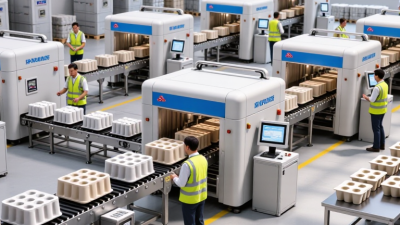
Manufacturing often uses either wet pressing or dry pressing. Wet pressing compresses the formed part and can produce a smoother surface. Dry pressing may suit protective inserts where appearance matters less than cushioning. After forming, parts are dried, trimmed, and checked for weight, dimensions, and damage. Tool design also affects fit. A lid that looks close on a sample may loosen after drying, so trial runs and measurements are useful. No process is perfect; suppliers may need to adjust fiber blends or mold settings when designs change.

Tips: Ask for samples made with the intended material and process. Check fit, edge strength, and moisture response. A quick hand test helps, but repeatable measurements are better.

China Best Molded Fiber Packaging Suppliers - Materials and Manufacturing Processes Used by Suppliers

Fiber Material Typical Feedstock Common Manufacturing Process Typical Characteristics Common Packaging Uses Supplier Considerations
Recycled paper pulp Recovered corrugated board, newspapers, and other sorted waste paper Wet molding followed by drying; hot pressing may be added for improved shape definition or surface quality Widely used, recyclable where suitable collection systems exist, and generally has a natural fibrous surface Protective inserts, electronics cushioning, appliance trays, and egg cartons Ask about recovered-fiber sourcing, contaminant controls, color consistency, and recycled-content documentation
Virgin wood pulp Pulp made from wood fibers, commonly supplied as bleached or unbleached pulp Wet molding or thermoformed wet pressing using heated forming tools Can support clean appearance and more precise, thinner-walled parts, depending on tooling and process controls Food-service items, cosmetic trays, and retail packaging inserts Confirm fiber sourcing, product specifications, and any required food-contact compliance for the intended market
Bagasse fiber Fibrous residue remaining after sugarcane is crushed to extract juice Pulp preparation and wet molding, often followed by heated pressing and drying Agricultural-residue fiber; rigidity and surface finish vary with pulp quality, product geometry, and process Plates, bowls, clamshell containers, and food trays Check moisture and grease resistance requirements; these may require suitable coatings or additives
Bamboo pulp Pulp produced from processed bamboo fibers Wet molding or hot-pressed forming, subject to the pulp blend and product design Fiber properties and appearance depend on pulping, bleaching, and whether the pulp is blended with other fibers Food-service packaging and formed protective components Request details on fiber composition, processing, product performance, and market-specific compliance
Mixed recovered fibers Blends of sorted recovered paper grades, sometimes combined with other compatible pulp fibers Wet molding; some dry-molded systems form prepared fibers with moisture and binders, then use heat to dry and set the part Can make use of varied recovered-fiber inputs; consistency depends on blend control and incoming material quality Protective packaging, corner guards, and general-purpose molded inserts Clarify the fiber blend, binder or additive use, dimensional tolerances, and quality-control criteria

Material availability, process capability, surface finish, and performance vary by product design and production line. Confirm specifications and applicable regulatory requirements with the supplier.

Product Types and Industries Served

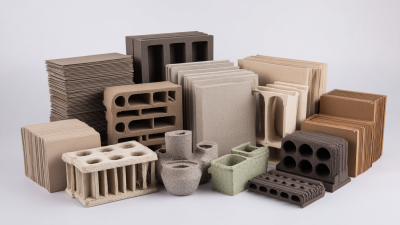
Molded fiber suppliers offer products ranging from compact cup carriers to fitted trays and protective packaging inserts.

Food-service businesses often need plates, bowls, and takeaway clamshells that stack neatly and hold their shape during delivery.

Produce packers use molded trays to separate fruit and reduce bruising during handling.

Different jobs require different designs.

Electronics and appliance manufacturers may use shaped end caps or custom inserts to cushion products inside shipping cartons.

Personal-care companies can choose molded trays for organizing small bottles or gift sets.

Some suppliers also make protective components for household goods and other delicate items.

Details matter.

Buyers should check fit, stacking strength, surface finish, and performance under expected moisture and transport conditions.

A sample may look right but shift inside a carton after repeated handling.

That happens.

Clear product specifications and practical transit testing help identify problems before larger orders.

Material color and texture can vary, so approval samples are useful for judging the finished appearance.

Key Capabilities of Leading Chinese Suppliers

China Best Molded Fiber Packaging Suppliers

Key Capabilities of Leading Chinese Suppliers

Leading suppliers turn product requirements into packaging that can be tested, produced, and shipped consistently. They assess the item’s weight, shape, and fragile points before recommending a molded fiber design. Fit matters. A tray should hold a glass bottle firmly without making removal difficult.

Strong engineering teams can adjust fiber blends, wall thickness, drainage, and drying conditions to improve strength and surface quality. They use samples to check dimensions, edge finish, stacking, and performance during handling. Details matter. Ask how measurements are recorded and how production changes are tracked. Clear inspection records make quality issues easier to investigate.

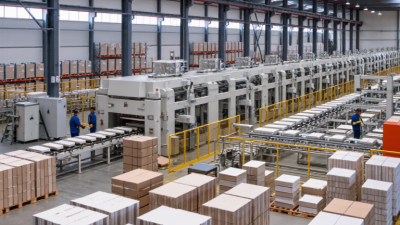
Production capacity is only part of the picture. Reliable suppliers explain tooling lead times, sample revisions, order planning, and packing methods in practical terms. They should also describe how they manage pulp consistency and moisture, since both can affect the finished shape. A sample can still mislead if it comes from a different process than the production run. Request a production-line sample when possible, and verify the agreed specifications before approving bulk manufacturing.

Criteria for Evaluating and Selecting a Supplier

China Best Molded Fiber Packaging Suppliers

Criteria for Evaluating and Selecting a Supplier

Choosing a molded fiber supplier starts with the package’s actual job, not a polished catalog. Define product weight, stacking height, transit route, and exposure to humidity. Small details matter. Ask how pulp sources are controlled and whether recycled content varies by batch. Request material specifications, inspection records, and clear limits for dimensions, wall thickness, and visible defects. A supplier should explain what it measures, not only promise consistent quality.

Evaluate prototypes using your product, not an empty tray. Check corner fit, removal force, surface dust, and whether the fiber rubs against delicate finishes. Ask for compression and drop-test results tied to your package design; generic reports may not predict real shipping conditions. If moisture is a concern, compare performance after realistic conditioning. One sample proves little.

Production capability matters just as much. Review mold-making experience, line capacity, maintenance practices, and how rejected parts are handled. Confirm tooling and repeat-order lead times, plus how changes are approved. Visit the factory when practical, or request a live production walkthrough and dated inspection photos. Communication can be uneven; that deserves attention. Record unanswered questions and set response expectations before committing. A low quote may omit tooling, packaging, or freight, so compare total landed cost. No scorecard catches everything. Leave room for judgment, and revise criteria after the first production run.

Great Expectations

Great Expectations is more than a tagline, it is an attitude. At Great Northern, customer challenges are met by an undying spirit to doing what others can’t or won’t. It’s in our DNA. And it is what our customers have come to expect with Great Northern.

How can we exceed your expectations?